Empowering Communities Through Therapeutic Arts Programs
- mkasting110
- Sep 25
- 4 min read
Art has a unique power. It can heal, inspire, and connect people. In recent years, therapeutic arts programs have emerged as a vital tool for community empowerment. These programs use creative expression to help individuals and groups overcome challenges, build resilience, and foster a sense of belonging.
In this blog post, we will explore how therapeutic arts programs can transform communities. We will look at their benefits, share inspiring examples, and discuss how to get involved.
What Are Therapeutic Arts Programs?
Therapeutic arts programs are structured activities that use art as a form of therapy. They can include various forms of creative expression, such as painting, music, dance, and drama. These programs are designed to promote emotional well-being and personal growth.
Participants engage in creative activities that allow them to express their feelings and experiences. This process can lead to healing and self-discovery.
The Benefits of Therapeutic Arts Programs
Therapeutic arts programs offer numerous benefits to individuals and communities. Here are some key advantages:
Emotional Healing: Art can be a powerful outlet for emotions. It allows individuals to express feelings that may be difficult to articulate.
Building Connections: These programs often bring people together. Participants can share their experiences and support one another, fostering a sense of community.
Boosting Self-Esteem: Creating art can enhance self-confidence. Participants often feel a sense of accomplishment when they complete a project.
Coping Skills: Engaging in creative activities can help individuals develop coping strategies. This is especially important for those facing trauma or mental health challenges.
Cultural Expression: Therapeutic arts programs can celebrate cultural diversity. They provide a platform for individuals to share their heritage and stories through art.
Inspiring Examples of Therapeutic Arts Programs
Many communities have successfully implemented therapeutic arts programs. Here are a few inspiring examples:
1. The Art of Healing
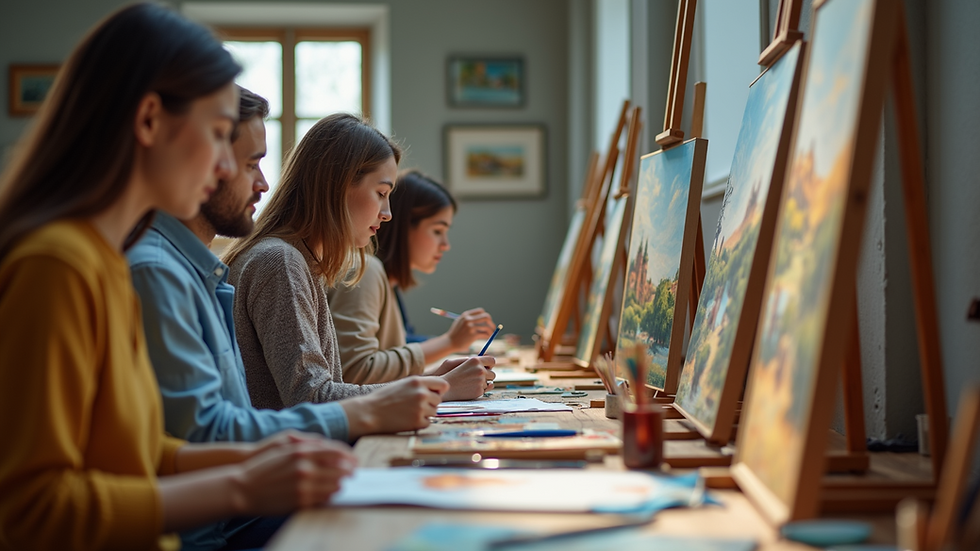
In a small town, a local nonprofit organization started a program called "The Art of Healing." This initiative offers weekly painting classes for individuals recovering from addiction.
Participants create artwork that reflects their journey. The program has helped many individuals find a sense of purpose and community.
2. Music for Change
A community center launched "Music for Change," a program that uses music therapy to support at-risk youth.
Through songwriting and group performances, participants express their feelings and experiences. This program has not only improved their emotional well-being but also strengthened their relationships with peers.
3. Dance for Wellness
A health organization introduced "Dance for Wellness," a program that combines dance and movement therapy.
This initiative targets seniors and individuals with mobility challenges. Participants engage in gentle dance exercises that promote physical health and emotional connection.
How to Get Involved
Getting involved in therapeutic arts programs can be rewarding. Here are some ways to participate:
Volunteer: Many programs rely on volunteers to help facilitate activities. Your time and skills can make a difference.
Attend Workshops: Look for local workshops or classes. Participating in these activities can provide personal benefits and help you connect with others.
Support Local Organizations: Consider donating to or supporting local nonprofits that offer therapeutic arts programs. Your contributions can help sustain these valuable initiatives.
Advocate for Arts Funding: Advocate for funding and support for arts programs in your community. This can help ensure that these programs continue to thrive.
The Role of Community in Therapeutic Arts
Community involvement is crucial for the success of therapeutic arts programs. When individuals come together, they create a supportive environment that fosters healing and growth.
Communities can play a significant role in promoting these programs by:
Raising Awareness: Share information about local therapeutic arts programs. Use social media, community boards, and word of mouth to spread the word.
Creating Partnerships: Collaborate with local organizations, schools, and businesses to support therapeutic arts initiatives. Partnerships can enhance resources and reach.
Encouraging Participation: Encourage friends and family to participate in therapeutic arts programs. The more people involved, the stronger the community becomes.
Challenges and Solutions
While therapeutic arts programs offer many benefits, they also face challenges. Here are some common obstacles and potential solutions:
1. Funding Limitations
Many programs struggle with limited funding. This can restrict their ability to offer services or reach a wider audience.
Solution: Seek grants, sponsorships, and community donations. Building relationships with local businesses can also provide financial support.
2. Awareness and Accessibility
Some individuals may not be aware of available programs. Others may face barriers to access, such as transportation or cost.
Solution: Increase outreach efforts through social media and community events. Consider offering sliding scale fees or free workshops to ensure accessibility.
3. Stigma Around Mental Health
There can be stigma associated with seeking help for mental health issues. This may prevent individuals from participating in therapeutic arts programs.
Solution: Promote the benefits of creative expression and normalize conversations about mental health. Share success stories to inspire others to join.
The Future of Therapeutic Arts Programs
The future of therapeutic arts programs looks promising. As communities recognize the importance of mental health and well-being, these initiatives will likely gain more support.
Innovative approaches, such as virtual workshops and online communities, are also emerging. This can expand access to therapeutic arts programs for individuals who may not be able to attend in person.
Final Thoughts
Therapeutic arts programs have the power to transform lives and strengthen communities. By providing a space for creative expression, these initiatives promote healing, connection, and resilience.
Whether you are an artist, a supporter, or someone seeking healing, there is a place for you in the world of therapeutic arts. Together, we can empower our communities through the transformative power of art.


Comments